
Dog Collar, Harness, and Muzzle Sizing Guide
Finding the right dog collar, harness, muzzle, or training collar starts with proper measurements. Use Coastal Pet's sizing guide to learn how to measure your dog correctly and find the best fit for collars, harnesses, chain collars, prong collars, and muzzles. Whether you have a small puppy, a large breed dog, or a growing pet, accurate sizing helps improve comfort, safety, and performance.
Dog Collar and Harness Size Chart and Measuring Guide
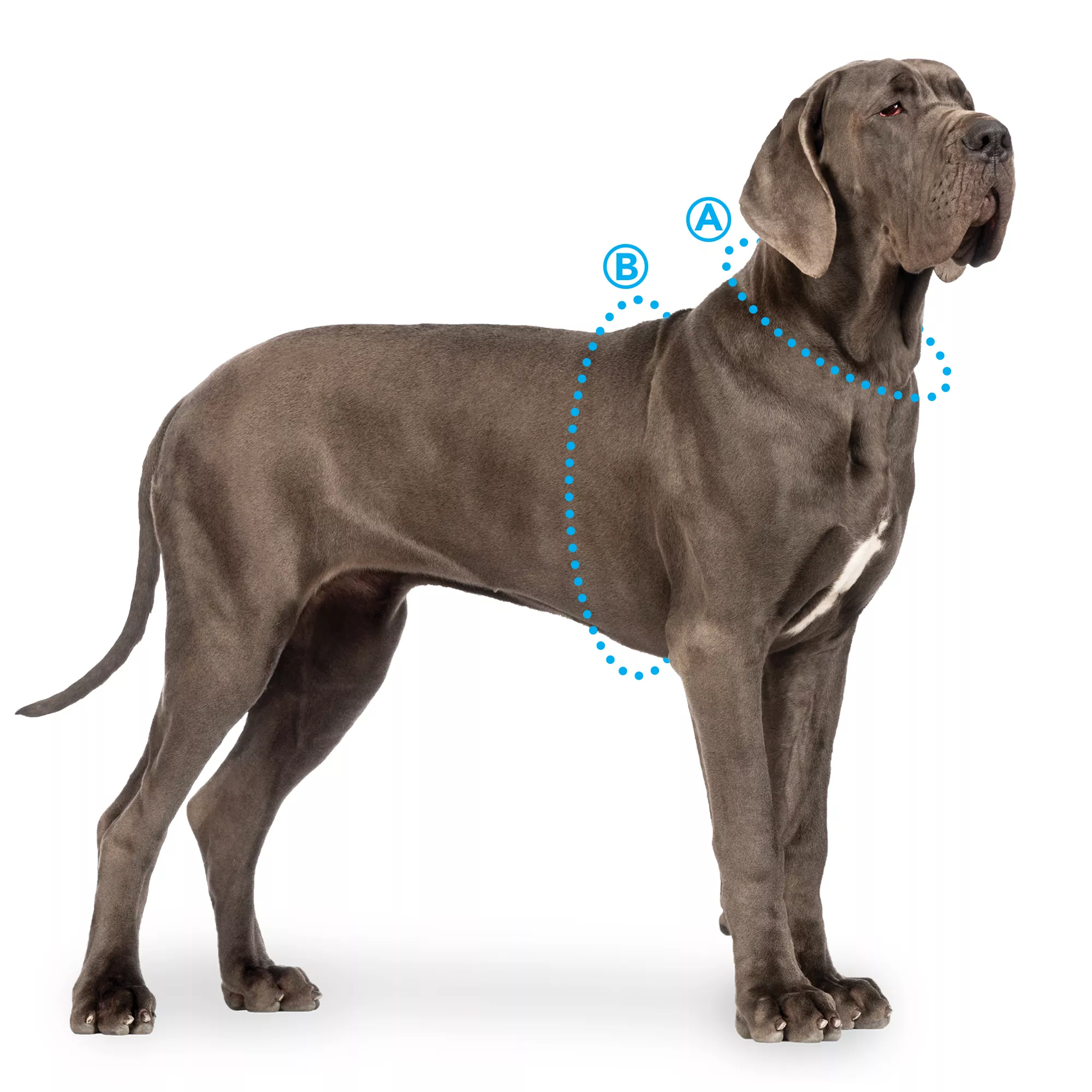
A. Neck: Collars should sit up higher on the neck, so measure here when determining collar size.
B. Girth: Wrap the tape measure around the broadest part of the dog's rib cage.
Measure first!
Dogs come in all different shapes and sizes and therefore, each has a unique fit. The best way to fit them properly is by using their measurements first and their weight range second.
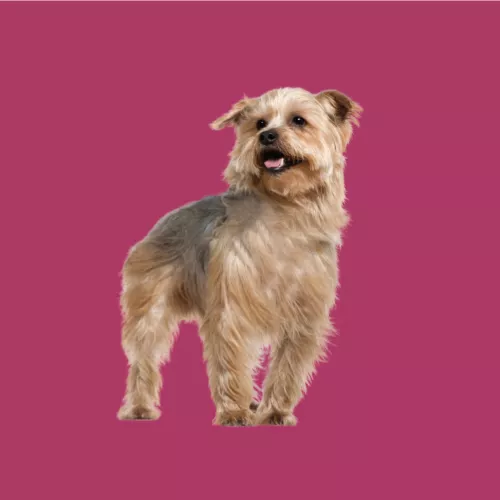
X-SMALL
Up to 15 lbs
- Dachshund
- Shih Tzu
- Yorkshire Terrier
Collar Size:
8"-12"
Harness Size:
16"-19"
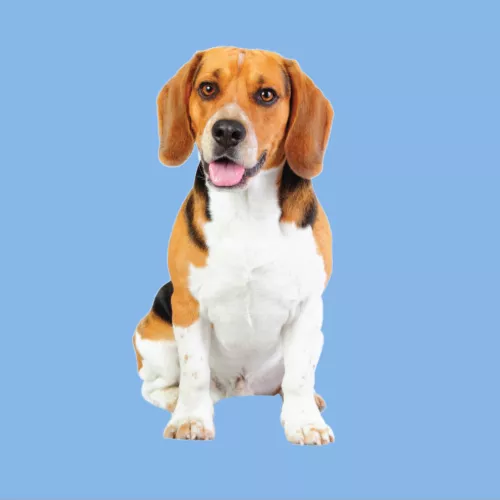
SMALL
20 - 35 lbs
- Beagle
- French Bulldog
- Miniature Schnauzer
Collar Size:
10"-16"
Harness Size:
19"-23"
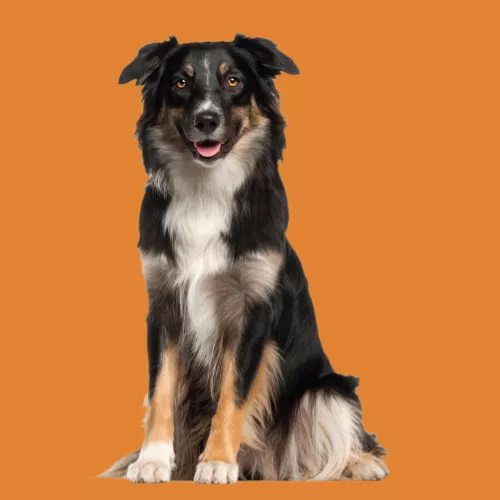
MEDIUM
30 - 50 lbs
- Australian Shepherd
- Bulldog
- Shetland Sheepdog
Collar Size:
14"-20"
Harness Size:
22"-28"
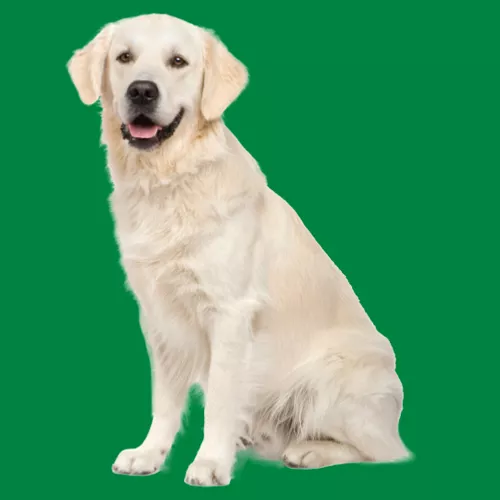
LARGE
50 - 80 lbs
- Boxer
- German Shepherd
- Labrador Retriever
Collar Size:
18"-26"
Harness Size:
28"-36"
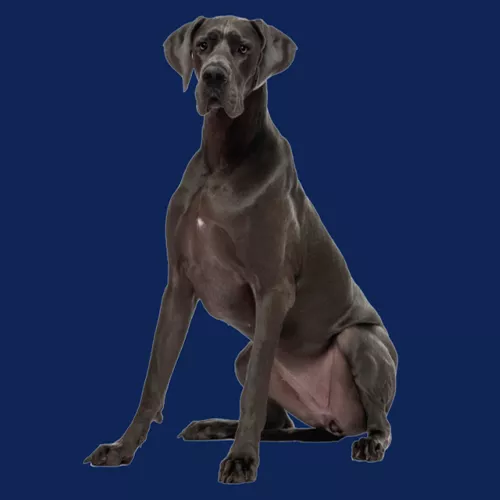
X-LARGE
90 - 150 lbs
- Great Dane
- Mastiff
- Rottweiler
Collar Size:
20"-28"
Harness Size:
30"-43"
How to Shop For Your Size
When shopping for dog collars, always compare your dog's neck measurement to the collar's sizing range. Collar widths vary by style and size, so be sure to review both the width and adjustment range before purchasing.
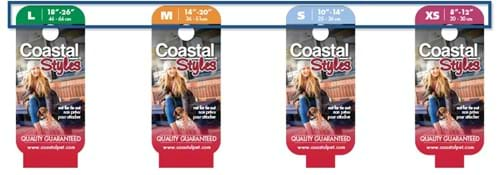
In the highlighted example below, 1 inch is the width of the collar and the range is 18 inches to 26 inches.
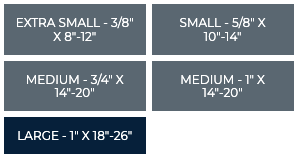
When shopping in stores, look towards the top of the hang tag for the size and range.
Chain Dog Collar Sizing Guide
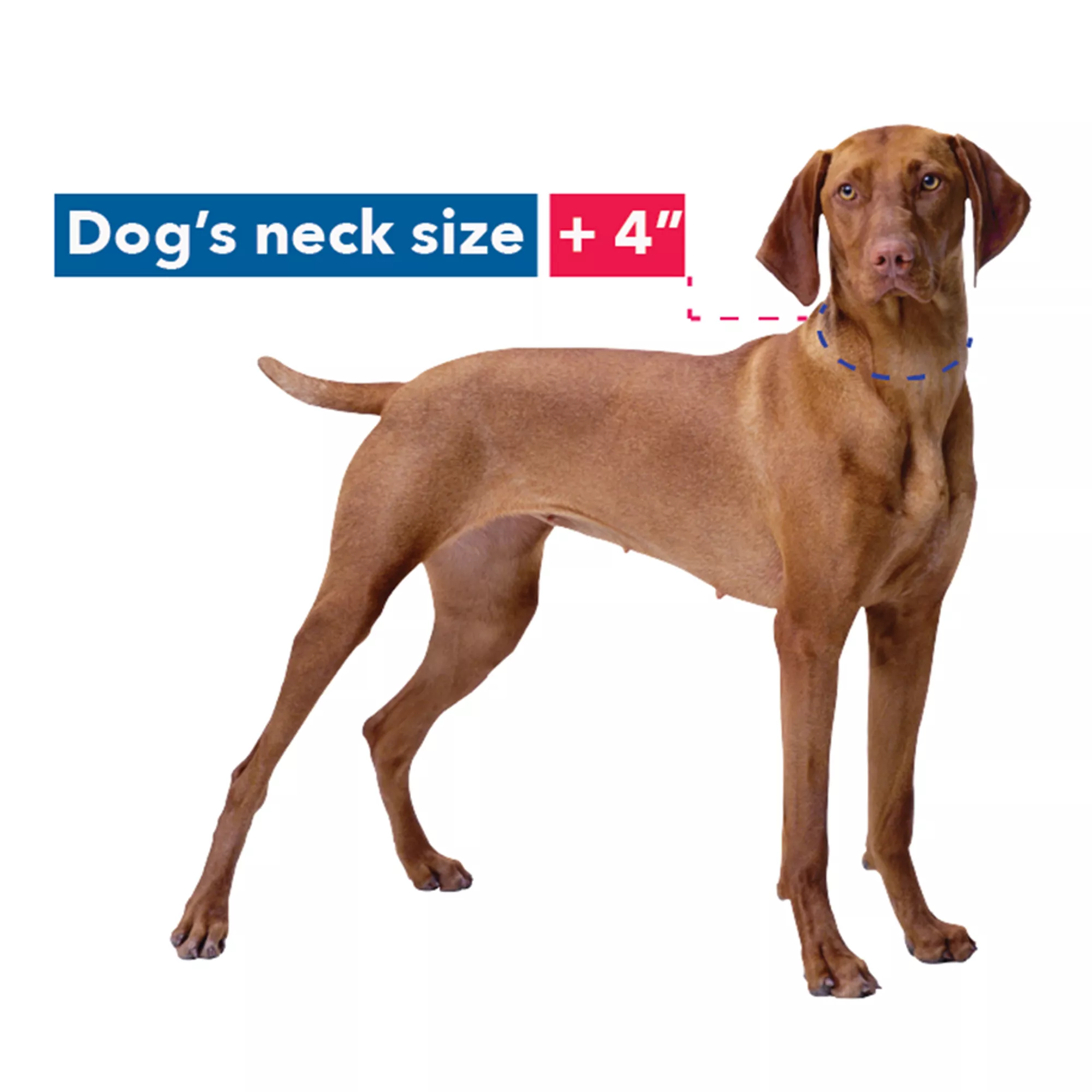
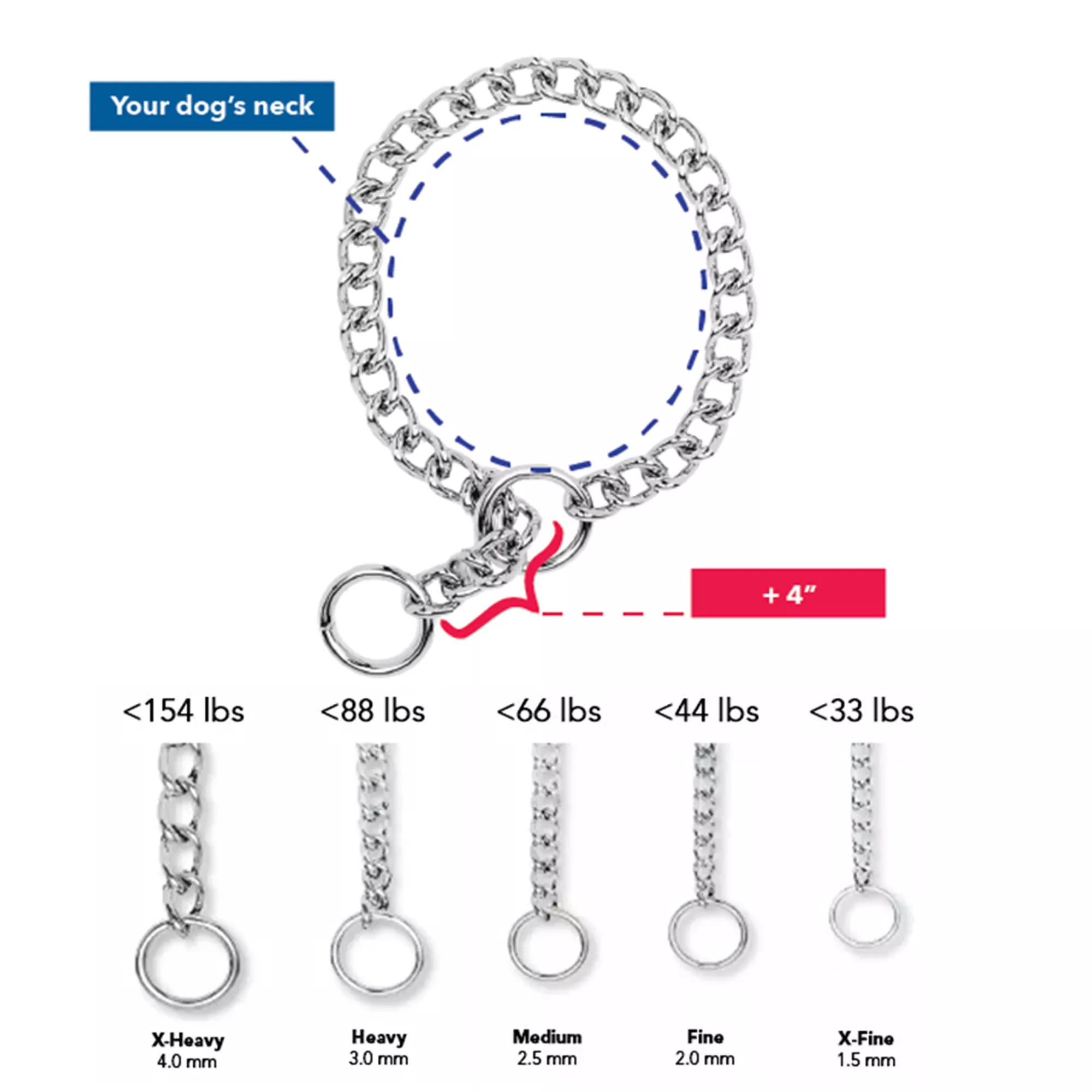
To properly fit a chain collar, add 4 inches to the circumference of your dog's neck. This ensures there is enough length for the collar to function properly.
Then, use their weight to determine the proper gauge of chain.
For example, if your dog's neck is 18 inches, add 4 inches. Your dog will need a chain collar that is a minimum of 22 inches long. If your dog weighs 60 pounds, he will need a 2.5 mm gauge chain.
Titan Prong Collar Size Chart
(Chrome-Plated Steel)
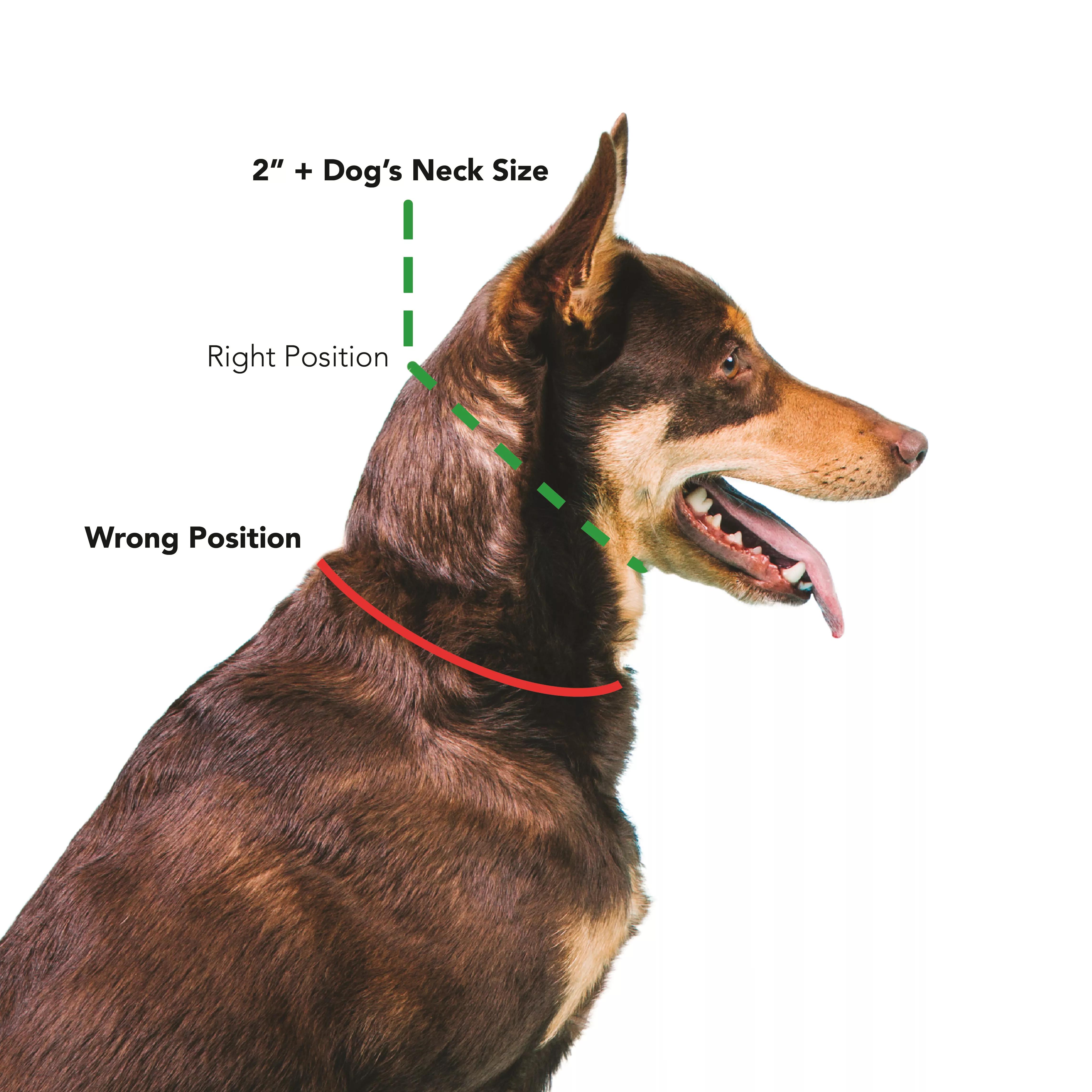
- Choose the wire gauge according to your dog's weight.
- Size your dog's neck and add 2 inches.
- If collar length needs to be adjusted, add or remove links accordingly.
Note: Collars should sit higher up on the neck, so measure here when determining collar size.
For example, if your dog's neck is 18 inches, add 2 inches. Your dog will need a prong collar that is a minimum of 20 inches long. If your dog weighs 70 pounds, the gauge should be 3mm.
Wire Gauge According to Weight
| Up to 66 lb (30 kg) | 2.25 mm |
| Up to 77 lb (35 kg) | 3 mm |
| Up to 88 lb (40 kg) | 3.25 mm |
| Up to 154 lb (70 kg) | 4 mm |
Dog Muzzle Sizing Guide
Measure First!
A properly fitted muzzle should allow your dog to breathe comfortably and, when appropriate for the style, pant and drink water. It should remain secure without rubbing or pinching.
Dogs come in all different shapes and sizes and therefore, each has a unique fit. The best way to fit them properly is by using their measurements first and breed second.
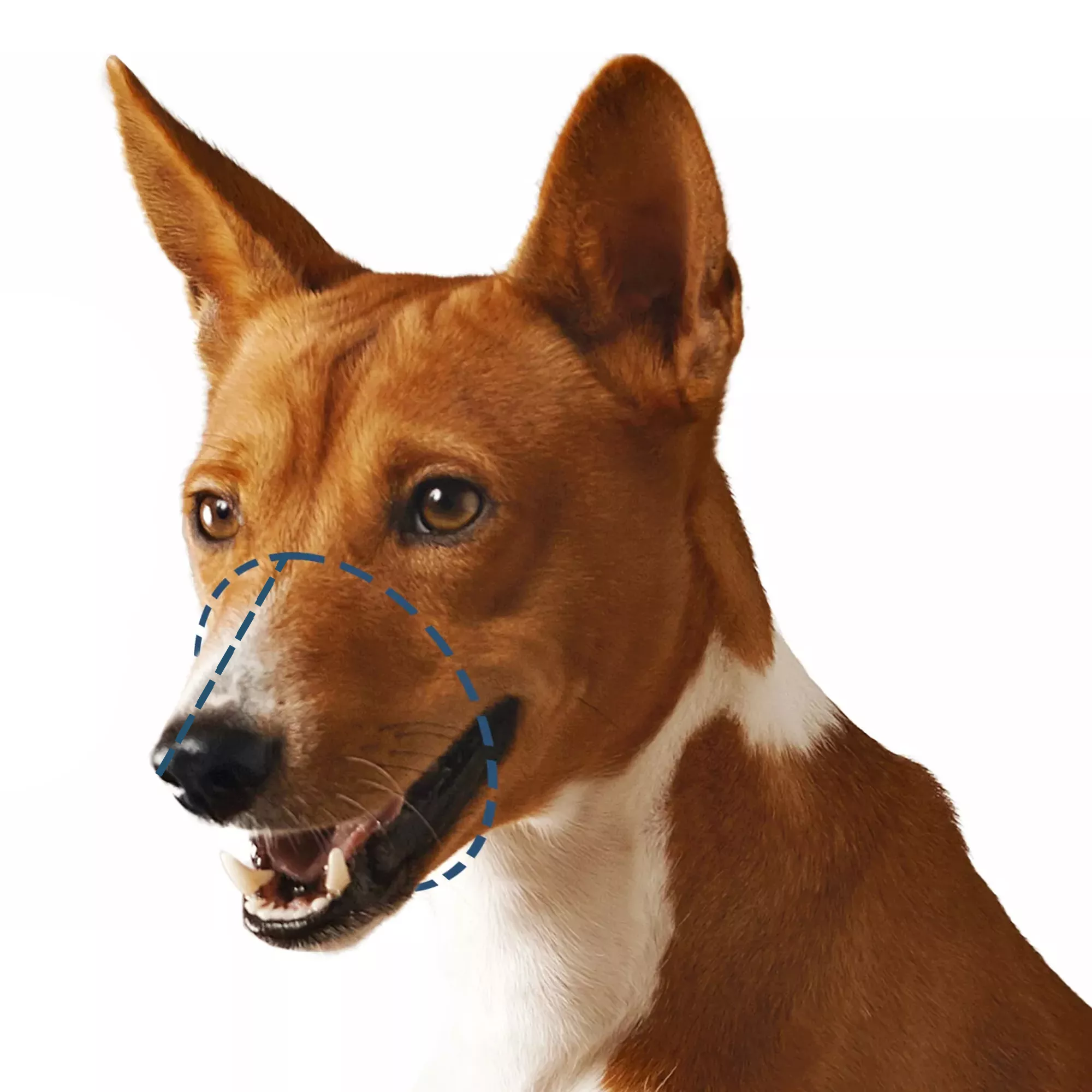
How to Measure
Snout circumference: the circumference of the widest part of dog's muzzle, typically just below the eyes.
Length: The distance between the tip of the nose to the base, just below the eyes.
To measure nose circumference, carefully wrap the tape measure around the dog's snout. This should be done 1/2" below the dog's eyes.
Frequently Asked Questions
What size collar does my dog need?
The best way to determine your dog's collar size is to measure their neck and compare that measurement to the collar's sizing range. Collars should fit comfortably around the upper part of your dog's neck without being too tight or too loose. While weight can be a helpful reference, neck measurements provide the most accurate fit.
How tight should a dog collar be?
A properly fitted dog collar should allow you to comfortably slide two fingers between the collar and your dog's neck. A collar that is too tight can cause discomfort, while one that is too loose may slip off during walks or play.
What's the difference between neck size and collar size?
Neck size is the measurement of your dog's neck, while collar size refers to the adjustment range of the collar. Always compare your dog's neck measurement to the collar's sizing range to ensure a proper fit. For example, a dog with a 16-inch neck may need a collar with an adjustment range of 14 to 20 inches.
How often should I check my dog's collar fit?
Check your dog's collar fit regularly, especially for puppies, young dogs, or pets experiencing weight changes. A collar that fit properly a few months ago may become too tight or too lose over time.
How do I measure my dog for a harness?
To measure your dog for a harness, use a flexible tape measure around the widest part of the rib cage, just behind the front legs. This measurement, often called the girth, is the most important factor when selecting the correct harness size. For the best fit, compare your dog's measurements to the specific sizing chart for the harness you're considering.
How do I know if my dog's harness fits correctly?
A properly fitted harness should fit snuggly without restricting movement or causing rubbing. You should be able to comfortably slide two fingers between the harness and your dog's body while ensuring it remains secure during walks and activity.
What if my dog falls between sizes?
If your dog's measurements fall between two sizes, choose the size that best accommodates their largest measurement. Adjustable collars and harnesses can help create a more customized fit. For dogs that are still growing or have a thicker coat, sizing up may provide additional comfort.
Why doesn't my dog's weight match the recommended size?
Dogs of the same weight can have very different body shapes. Weight should only be used as a general guideline. For the most accurate fit, use your dog's neck, chest, and muzzle measurements as specified by the product's sizing chart.
Can I use my dog's breed to determine sizing?
Breed can be a helpful starting point, but measurements are always more accurate. Dogs within the same breed can vary significantly in size and body shape, so measuring your dog is the best way to determine the correct fit.
How do I size a dog muzzle?
To find the correct muzzle size, measure both the circumference and length of your dog's snout. The circumference should be measured around the widest part of the muzzle, typically just below the eyes, while the length should be measured from the tip of the nose to the base of the muzzle. Compare both measurements to the muzzle's size chart to select the best fit.
Should I use my dog's weight or measurements?
Always use your dog's measurements as the primary sizing guide. Dogs of the same weight can have very different neck sizes, chest shapes, and body proportions. Weight and breed can be used as general references, but actual measurements provide the most accurate fit for collars, harnesses, and muzzles.